
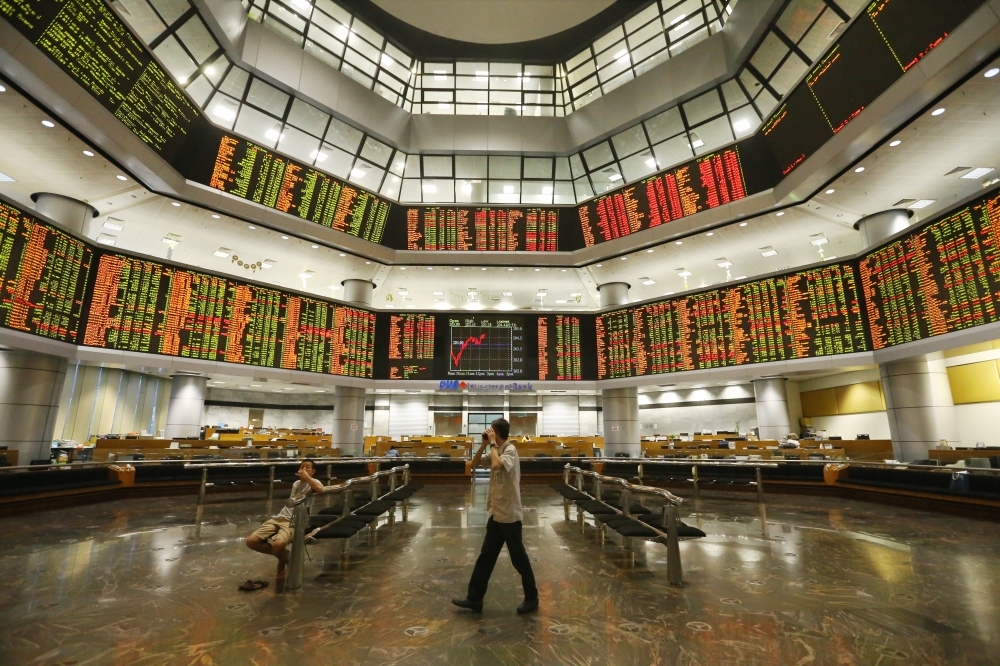
The numbers tell a sobering story. Retail trading volume on Bursa Malaysia has been languishing while Malaysian investors are increasingly parking their money thousands of miles away in US markets. This isn’t just a temporary blip—it’s a structural shift that threatens the long-term vitality of our local exchange.
The New Reality: Zero-Friction Access to US Markets
A decade ago, investing in US stocks as a Malaysian retail investor meant navigating clunky platforms, paying hefty foreign exchange spreads, dealing with confusing tax documentation, and stomaching commission fees that made frequent trading prohibitively expensive. The friction was real, and it kept most retail money local by default.
Today, that world is gone.
Platforms like Moomoo, Webull, Tiger Brokers, and even local players like Rakuten Trade have democratized access to US markets in ways that would have seemed impossible just years ago. Zero-commission trading. Real-time market data. Fractional shares. Slick mobile apps that make buying Tesla or Nvidia as easy as ordering food delivery. Some platforms even gamify the experience with rewards and competitions.
For the average Malaysian retail investor scrolling through their phone, the barrier to entry for US stocks is now lower than it’s ever been—arguably lower than for Bursa stocks when you factor in the superior user experience.
The Valuation and Growth Gap
But access alone doesn’t explain the exodus. The real issue is what’s available on the other side.
Malaysian retail investors aren’t abandoning Bursa out of ignorance or irrationality. They’re making calculated decisions based on where they see better opportunities. And right now, US markets are simply offering more compelling stories:
Technology and Innovation: Where’s Malaysia’s equivalent to Nvidia riding the AI wave? Or Tesla revolutionizing electric vehicles? The truth is, Bursa’s tech exposure is limited. Our exchange is heavy on plantations, banks, utilities, and property—sectors that, while stable, aren’t exactly setting hearts racing with growth potential.
Valuations and Multiple Expansion: US tech stocks trade at premium multiples because investors believe in their growth trajectories. Meanwhile, many Bursa counters trade at single-digit P/E ratios—not necessarily because they’re undervalued bargains, but because the growth outlook is muted. When you’re a retail investor looking to grow wealth aggressively, 8-10% dividend yields don’t compete with the possibility of multi-bagger returns.
Market Depth and Liquidity: US markets offer thousands of listed companies across every conceivable sector and theme. Want exposure to renewable energy? Space exploration? Cloud computing? Biotech? It’s all there, liquid and accessible. Bursa’s limited universe means limited ways to express investment theses.
The Narrative Factor: Let’s be honest—stories matter in investing, especially for retail. US markets generate constant narratives: earnings beats, product launches, analyst upgrades, stock splits, breakthrough technologies. Bursa? The narratives are often about government-linked companies, political developments affecting concessions, or quarterly results that rarely surprise. It’s harder to get excited about a highway toll operator when you could own a piece of a company building humanoid robots.
The Liquidity Death Spiral
This creates a vicious cycle. As retail investors shift their attention and capital overseas, trading volumes on Bursa decline. Lower volumes mean wider bid-ask spreads and reduced liquidity. Reduced liquidity makes it harder to enter and exit positions efficiently, which further discourages active trading. Fewer active traders mean less market attention, weaker price discovery, and ultimately less interest from both retail and institutional investors.
We’re seeing this play out in real-time. Many Bursa counters trade with anemic volumes, where a single moderately-sized order can move prices significantly. This isn’t the hallmark of a vibrant, healthy market—it’s a warning sign.
What This Means for Bursa’s Future
The implications are serious:
Reduced Capital Formation: If retail investors are directing their savings to foreign markets, Malaysian companies face a shallower pool of domestic capital. This could affect IPO prospects and valuations for local firms.
Brain Drain of Market Participation: The most engaged, active retail investors—the ones who drive volume and liquidity—are precisely the ones most likely to explore international options. Losing this cohort diminishes market vibrancy.
Weakened Financial Ecosystem: A struggling stock exchange affects the broader financial services industry: brokers, research houses, financial media. Less activity means less revenue, less coverage, less innovation.
Limited Wealth Building for Locals: Ironically, while Malaysians can now access better global opportunities, the weakness of our local market means we’re building wealth in foreign assets rather than growing our domestic capital base.
Can Anything Be Done?
The solution isn’t to restrict access to foreign markets—that ship has sailed, and frankly, Malaysian investors deserve the freedom to invest where they see fit. Instead, Bursa and Malaysian policymakers need to confront uncomfortable truths:
- We need more listings of high-growth, innovative companies
- Regulatory frameworks should encourage, not stifle, entrepreneurial ventures going public
- Market-making and liquidity provision need improvement
- The cost and complexity of maintaining a Bursa listing should be competitive
- We need to cultivate a stronger ecosystem that supports tech startups through to IPO
The competition isn’t just regional anymore—it’s global. And right now, Bursa is losing.
Malaysian retail investors have voted with their wallets. The question is whether our local market can evolve quickly enough to win them back, or whether we’re witnessing the slow, steady decline of domestic retail participation in favor of the bright lights of Wall Street.
The clock is ticking.